Structural Health Monitoring: The Backbone of Modern Infrastructure Safety
In an era where urbanization is accelerating and infrastructure is aging, ensuring the safety and longevity of critical structures has become more important than ever. Structural Health Monitoring (SHM) has emerged as a vital technology to meet these demands. From bridges and skyscrapers to dams and tunnels, SHM is revolutionizing how we inspect, maintain, and preserve infrastructure.
What is Structural Health Monitoring?
Structural Health Monitoring is the process of implementing a damage detection and characterization strategy for engineering structures. It involves the continuous or periodic monitoring of a structure’s condition through sensors and data analysis tools. The ultimate goal is to detect potential damage or deterioration at an early stage, ensuring timely maintenance and preventing catastrophic failures.
SHM systems collect real-time data using a variety of sensors—such as strain gauges, accelerometers, displacement transducers, and temperature sensors—placed strategically across the structure. This data is then analyzed to assess the structure’s integrity, detect anomalies, and predict future performance.
Why is SHM Important?
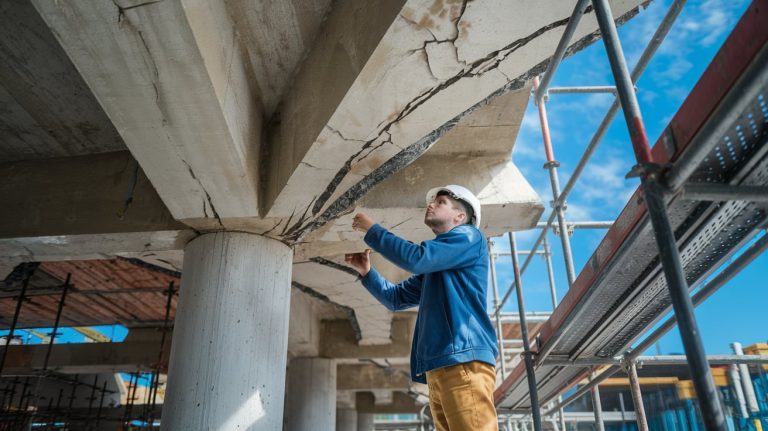
- Public Safety: SHM ensures that bridges, buildings, and other infrastructure are safe for use. Early detection of cracks, corrosion, or other types of damage can prevent accidents and save lives.
- Cost Efficiency: Traditional inspection methods are often time-consuming and costly. SHM allows for condition-based maintenance, reducing unnecessary repairs and extending the life of the structure.
- Disaster Resilience: In the aftermath of earthquakes, floods, or hurricanes, SHM can quickly assess structural damage and guide emergency responses.
- Asset Management: With aging infrastructure around the world, governments and private owners need to make informed decisions about repair, reinforcement, or replacement. SHM provides the data to support these decisions.
Key Components of SHM Systems
A typical SHM system includes the following components:
- Sensors: These are installed on the structure to measure physical quantities like strain, vibration, temperature, and displacement.
- Data Acquisition System (DAS): Collects data from the sensors and may perform initial filtering or preprocessing.
- Communication System: Transmits data to a centralized server or cloud-based system for analysis.
- Data Processing and Analysis Tools: Utilize algorithms and machine learning models to identify patterns, detect anomalies, and forecast degradation.
- Visualization and Reporting Interface: Presents the processed data in a user-friendly manner for engineers and decision-makers.
Applications of Structural Health Monitoring
- Bridges: SHM helps monitor stress, load, and potential fatigue on critical components of bridges, especially in high-traffic or harsh weather environments.
- High-rise Buildings: Tall buildings are subject to wind loads, seismic activity, and material degradation over time. SHM systems ensure these factors don’t compromise structural stability.
- Dams and Tunnels: These massive structures are often located in remote or difficult-to-access areas. SHM allows for continuous monitoring without the need for frequent manual inspections.
- Historic Monuments: Preserving architectural heritage requires a non-invasive monitoring approach, making SHM ideal for these delicate structures.
The Future of SHM
With advancements in IoT, AI, and big data analytics, SHM systems are becoming smarter and more autonomous. Wireless sensor networks and drone-based inspections are reducing installation costs and increasing the reach of monitoring systems. Furthermore, predictive maintenance—powered by AI and machine learning—will soon allow engineers to not only detect damage but also accurately predict when and where it will occur.
Conclusion
Structural Health Monitoring is no longer just a tool for assessing infrastructure—it is an essential component of modern civil engineering. As infrastructure continues to age and environmental stressors become more severe, SHM will play a crucial role in ensuring that our bridges, buildings, and public facilities remain safe and functional. By embracing SHM, we can build a future where infrastructure failures are rare, and safety is always prioritized.