Condition Assessment of Structures: Ensuring Safety, Longevity, and Performance
Structures—whether buildings, bridges, industrial units, or other infrastructure—are essential assets that require proper care and evaluation over time. As structures age or are exposed to various stresses, they may develop hidden issues that can compromise their integrity. This is where condition assessment of structures plays a vital role.
What is Condition Assessment?
Condition assessment is the process of evaluating the current state of a structure to determine its safety, durability, functionality, and need for repair or maintenance. This evaluation can be visual or involve advanced non-destructive and destructive testing methods to reveal defects or damage that are not visible on the surface.
It is a systematic approach that helps stakeholders make informed decisions regarding rehabilitation, retrofitting, or even replacement of structures.
Why is Condition Assessment Important?
- Safety: Structural failures can lead to catastrophic consequences, including injury, loss of life, and financial losses. Regular assessments help prevent such failures by identifying issues early.
- Maintenance Planning: It enables property owners or facility managers to prioritize repairs and allocate resources efficiently.
- Legal Compliance: Many local authorities or governments require periodic inspections and assessments to ensure structures comply with safety codes and regulations.
- Extending Lifespan: Early detection of deterioration or stress allows for timely maintenance, ultimately prolonging the structure’s lifespan.
- Value Preservation: A well-maintained structure retains its aesthetic and functional value and may also fetch a higher resale price.
Steps in Condition Assessment
The process of condition assessment typically includes:
1. Preliminary Investigation
This involves a desk review of drawings, previous reports, maintenance records, and any available data on the structure. It helps the assessment team understand the design intent and historical performance.
2. Visual Inspection
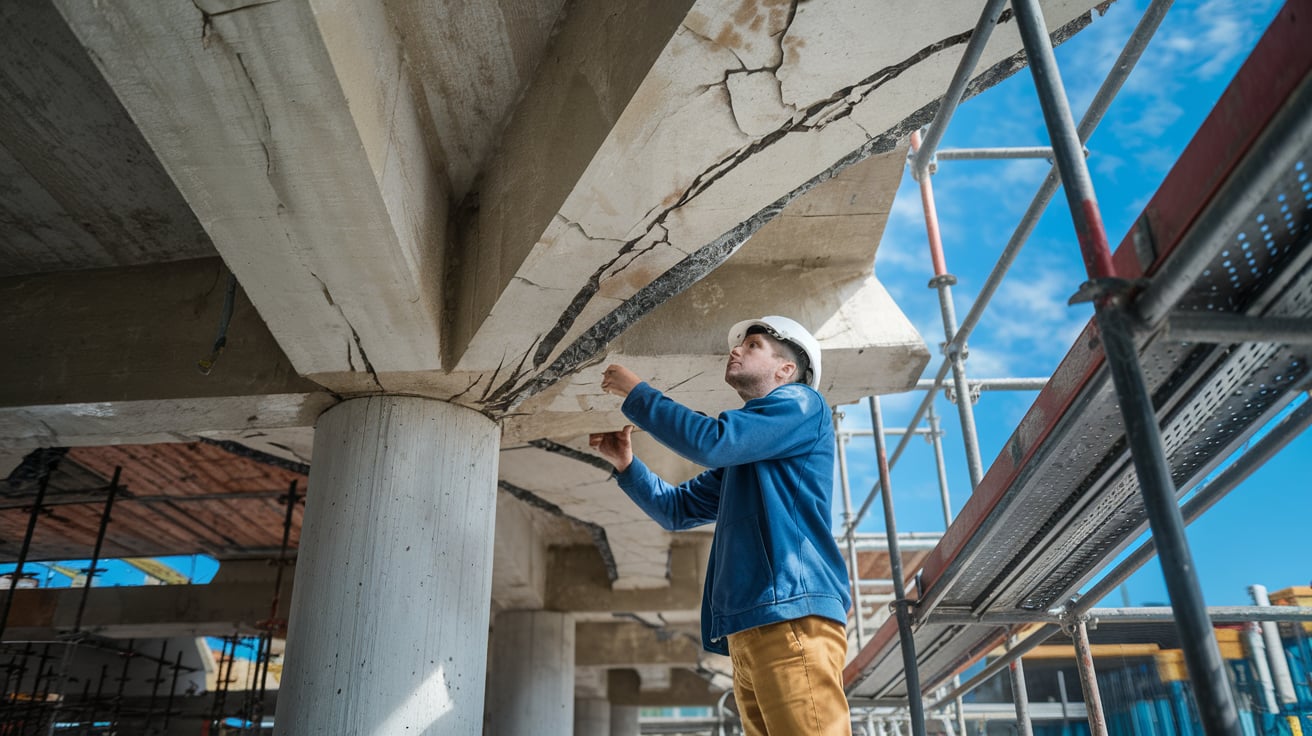
A thorough on-site visual inspection identifies signs of wear and tear like cracks, corrosion, settlement, leakage, or deformation. It provides a first-hand understanding of the structure’s condition.
3. Non-Destructive Testing (NDT)
To go beyond what the eyes can see, NDT techniques are used. These include:
- Rebound Hammer Test (for surface hardness of concrete)
- Ultrasonic Pulse Velocity (for internal flaws)
- Ground Penetrating Radar (for detecting embedded objects or voids)
- Infrared Thermography (for moisture or insulation issues) These methods do not damage the structure and provide valuable insights.
4. Destructive Testing
In some cases, sample cores of materials like concrete or steel are extracted and tested in labs to determine strength, composition, or signs of fatigue and corrosion.
5. Structural Analysis
Based on the findings, engineers perform calculations and simulations to evaluate the structure’s ability to withstand current and future loads. This may involve modeling using software like STAAD.Pro or SAP2000.
6. Report and Recommendations
A detailed report is prepared outlining the current condition, test results, probable causes of distress, and suggested remedial measures such as repair, retrofitting, or strengthening.
Applications Across Sectors
- Buildings: High-rise apartments, commercial complexes, and historical structures benefit from periodic assessments to ensure safety and maintain functionality.
- Bridges and Flyovers: Constant exposure to heavy loads and weather conditions makes regular assessment crucial.
- Industrial Structures: Factories, chimneys, silos, and storage tanks require frequent evaluation due to chemical exposure and dynamic loading.
- Public Infrastructure: Dams, water tanks, and transport terminals need reliable assessments to serve the public without interruption.
Conclusion
Condition assessment of structures is not just a technical exercise—it is a commitment to safety, sustainability, and responsible asset management. With growing awareness of aging infrastructure and the increasing importance of disaster resilience, structural assessments are more crucial than ever.
Property owners, facility managers, and engineers must prioritize regular evaluations to prevent emergencies, reduce maintenance costs, and preserve structural integrity for future generations.