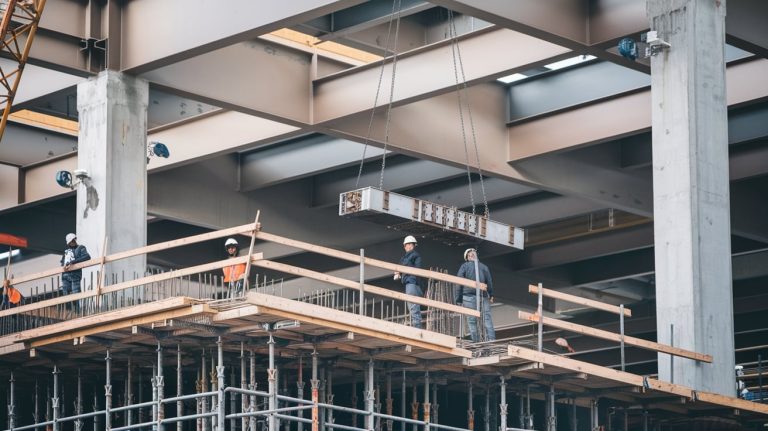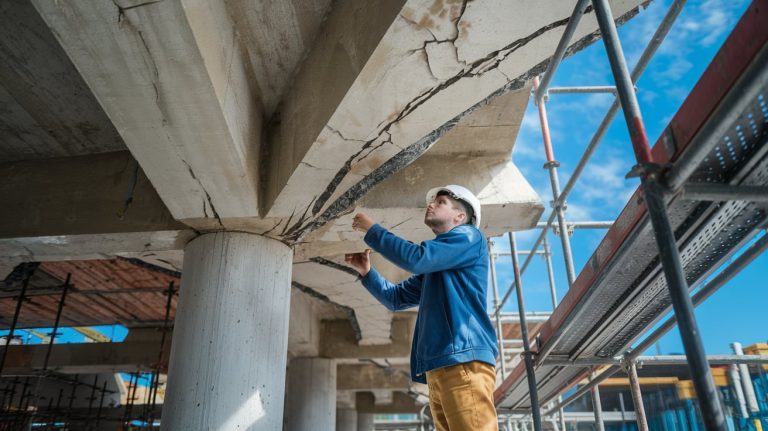

Earthquake-Resistant Design: Building for Safety and Resilience
Natural disasters like earthquakes are unpredictable and can cause widespread destruction in seconds. In earthquake-prone regions, the importance of earthquake-resistant design in buildings and infrastructure cannot be overstated. It is not just about preserving property—it’s about saving lives.
What is Earthquake-Resistant Design?
Earthquake-resistant design refers to the practice of constructing buildings and structures that can withstand the forces generated by seismic activity. The goal is to ensure that buildings do not collapse during an earthquake, thereby reducing the risk of injury or death. While complete prevention of damage may not always be possible, well-designed structures can significantly minimize the impact.
This type of design considers several factors including ground motion, soil conditions, structural materials, and architectural features. By integrating engineering principles and scientific knowledge, buildings are better equipped to absorb and dissipate seismic energy.
Key Principles of Earthquake-Resistant Design
1. Flexibility and Ductility
Rigid structures are more likely to fail during an earthquake. Flexible and ductile materials like reinforced steel and certain types of concrete allow a building to bend without breaking. This movement absorbs the energy released by the quake, reducing stress on the structure.
2. Strong Foundation
The foundation is critical in any building, but especially in earthquake-resistant designs. Deep foundations or base isolators can absorb seismic shocks before they travel up the structure. Soil testing is also essential to determine the right foundation type for a given location.
3. Symmetry in Design
Buildings with symmetrical layouts tend to perform better in earthquakes. Asymmetrical designs can create uneven distribution of forces, leading to torsional movements and potential failure. A well-balanced structure provides uniform resistance to seismic forces.
4. Load Path Continuity
Every part of the structure, from the roof to the foundation, should be connected in a way that allows seismic forces to travel downwards in a controlled manner. This “load path” ensures that no single element of the building bears all the stress.
5. Use of Shear Walls and Braces
Shear walls and cross braces add strength and rigidity to a building, helping it resist lateral movements. These elements are strategically placed to enhance the building’s ability to withstand horizontal shaking.
Modern Technologies in Earthquake-Resistant Design
Advancements in technology have significantly improved earthquake-resistant construction methods. Some innovative techniques include:
- Base Isolation Systems: These allow the building to move independently of ground motion, reducing energy transfer.
- Tuned Mass Dampers: Large devices that move in opposition to seismic forces to reduce building motion.
- Shock Absorbers: Installed in structural joints to absorb and dissipate kinetic energy during a quake.
Building Codes and Regulations
Many countries, especially those in seismically active zones, have stringent building codes to ensure earthquake safety. These regulations are regularly updated based on the latest research and seismic data. Adherence to local building codes is a legal and ethical responsibility for engineers, architects, and developers.
Retrofitting Existing Structures
Not all buildings are built with earthquake resistance in mind. Retrofitting is the process of strengthening existing structures to make them safer during earthquakes. This may include adding steel braces, installing base isolators, or reinforcing walls and foundations. It’s a crucial step for older buildings, especially in urban areas.
Conclusion
Earthquakes are a powerful reminder of nature’s force, but with intelligent design and planning, we can reduce their devastating effects. Earthquake-resistant design is more than a construction strategy—it’s a commitment to safety, sustainability, and resilience. Whether constructing new buildings or upgrading existing ones, incorporating seismic design principles is essential in creating a safer future for all.